Common Clothing Repairs
Repairing a Torn Pocket Before You Lose Something
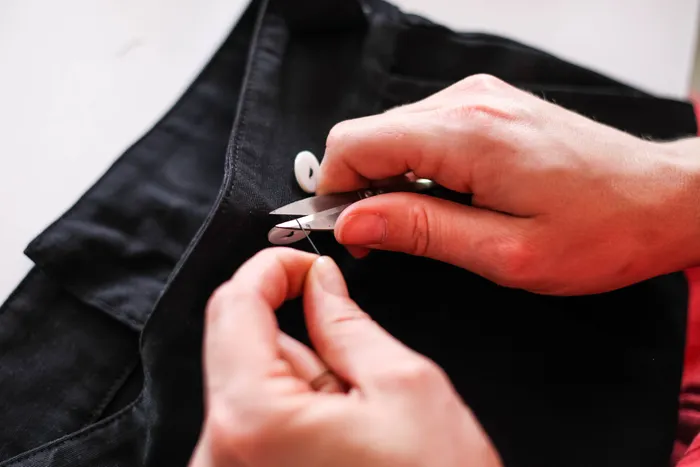
A useful result with repairing a torn pocket before you lose something starts by giving the job a clear boundary. Instead of trying to improve everything at once, decide what should be different when this session ends and what can wait. That makes the work easier to judge and keeps optional purchases from replacing actual practice.
For repairing a torn pocket before you lose something, keep the first attempt closely tied to the actual conditions. Pocket damage often starts at a corner where repeated pulling concentrates stress, or at the pocket bag where keys and other objects abrade thin fabric. Empty the pocket and turn the garment inside out if construction allows. Afterward, compare the result with the goal rather than with an idealized version seen elsewhere. A small mismatch can identify the next useful adjustment without forcing a complete restart.
Preparation for repairing a torn pocket before you lose something should stay proportionate to the job. Clear a stable working area and gather only materials that have an immediate purpose. During mend well at home, keep finished steps visible so it is easy to see where the process changed. If a choice is difficult to reverse, test it on a small or hidden area before applying it broadly.
A common mistake in the Common Clothing Repairs stage is adding complexity before the basic process works. More supplies can hide a problem instead of solving it. Pause when materials behave unexpectedly or the next step depends on an assumption. For US adults, a short checklist makes repairing a torn pocket before you lose something easier to resume after an interruption without repeating completed work.
After finishing, keep the parts that made repairing a torn pocket before you lose something easier to repeat and remove anything that created work without improving the result. Store reusable materials where the next mend well at home session can begin cleanly, note one lesson while it is fresh, and choose a single next action. This creates practical experience without turning a modest interest into a demanding system.
A practical sequence for repairing a torn pocket before you lose something is to check the starting condition, choose one visible result, complete the smallest necessary action, and inspect the outcome before continuing. This order matters because later steps often depend on what the first attempt reveals. Keep tools and materials arranged in the order they will be used, and return anything unnecessary before it becomes part of the routine. During mend well at home, a clear sequence also makes interruptions less disruptive because the next unfinished step remains obvious.
Set a stopping rule before repairing a torn pocket before you lose something begins. Stop when the planned result is complete, when the available conditions change, or when the next action requires information that is not yet available. Continuing past that point often creates cleanup or correction work without adding much value. If the result is uneven, identify whether the cause was preparation, sequence, material behavior, or an unrealistic goal. Record that single cause and test one adjustment next time. A focused correction teaches more than changing several parts of the process together.